Best time to see Mount Fuji
A month by month breakdown of visibility, weather, foreground colour and crowds around Mount Fuji.
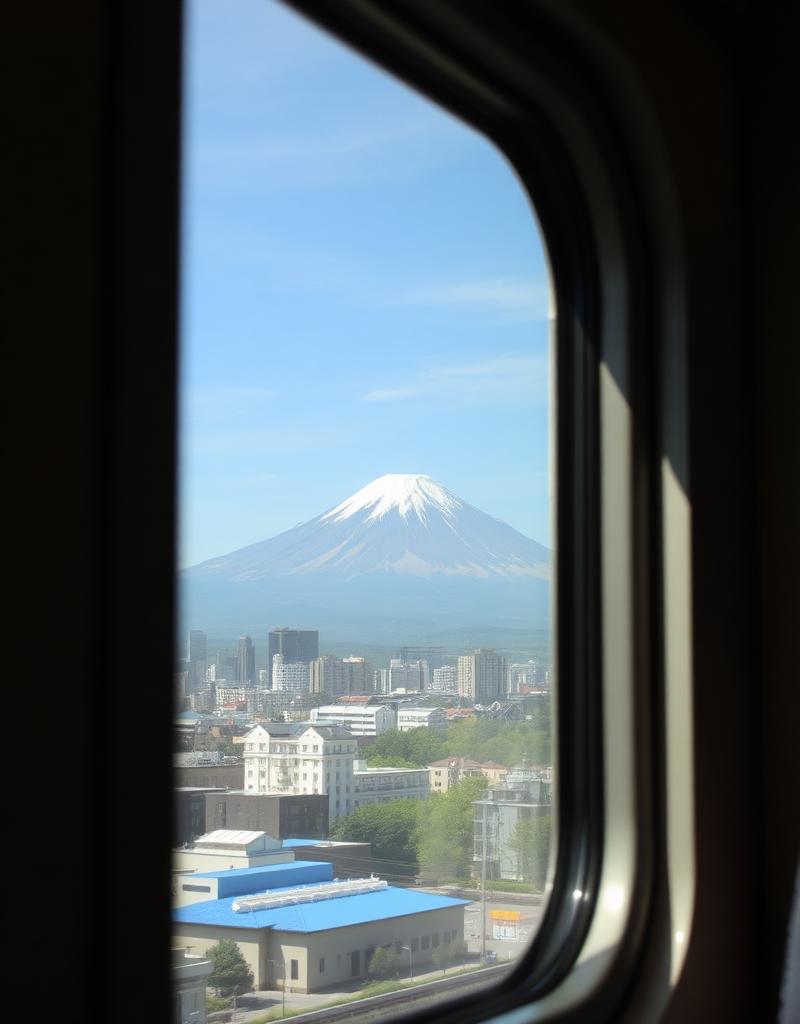
Mount Fuji is famously shy. It is fully visible roughly 80 days a year on average, mostly in winter. This guide breaks down each season and tells you which months trade crowds for clarity.
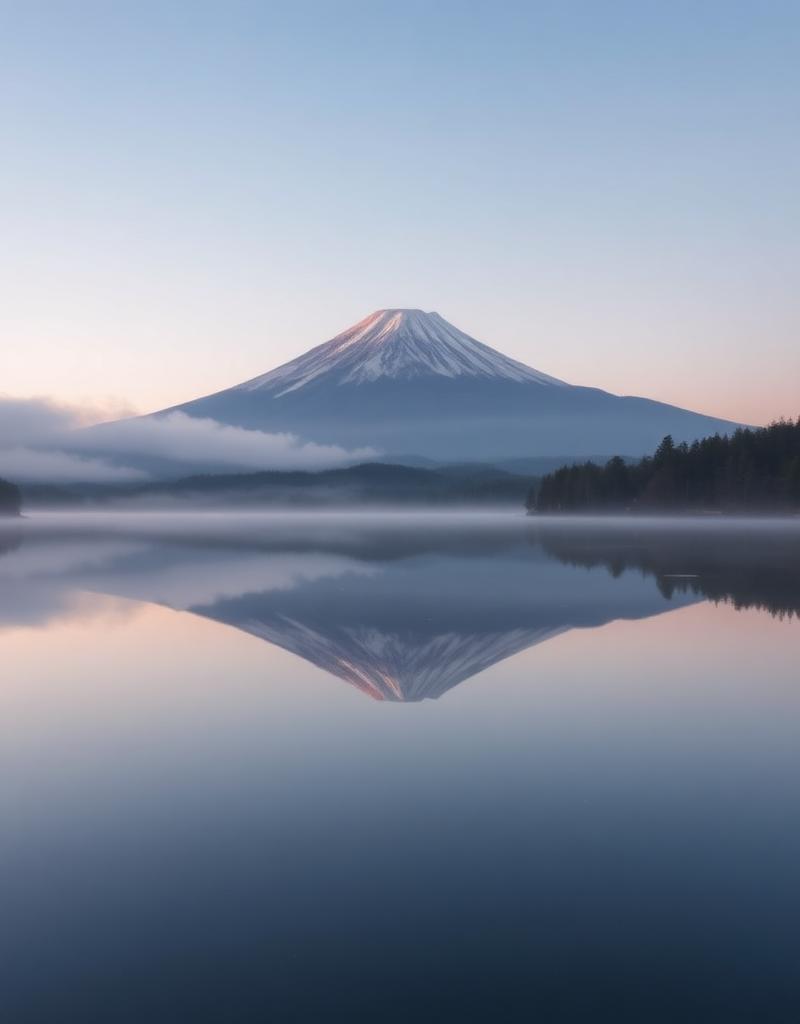
December to February: the clearest window
Cold, dry air pushes the average visibility rate above 70 percent. The peak is fully snow capped, the surrounding lakes are calm, and golden hour is short and intense.
Mornings are the safest bet. Aim for sunrise from Lake Kawaguchi or Chureito Pagoda. Pack for genuine cold, the wind chill at viewpoints is the main discomfort.
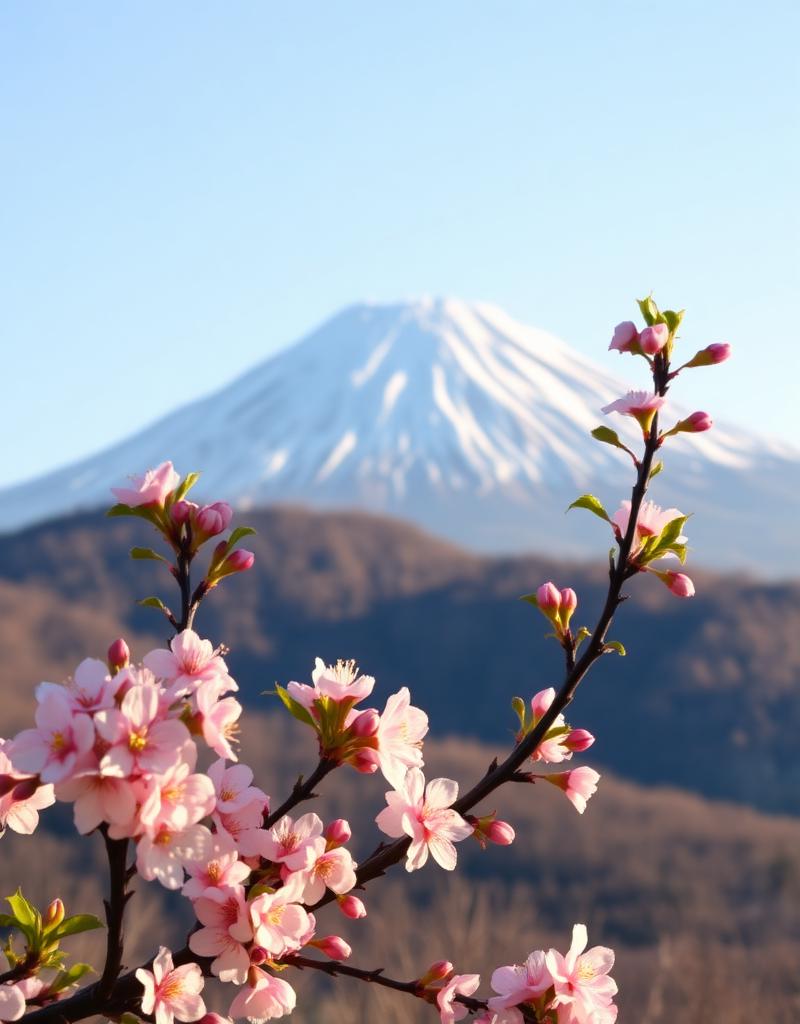
March to May: cherry blossom and haze
Cherry blossom around Chureito Pagoda and the Fuji Five Lakes typically peaks the first two weeks of April. Visibility drops to 50 percent as warmer humid air arrives from the south.
Morning visibility is much better than afternoon. Get to viewpoints before 07:00 and leave by 10:00.
June to August: the worst visibility but the climbing season
Average visibility under 30 percent. Heavy haze, frequent rain, and tsuyu rainy season in June. The trade off is that the climbing season is open and the lower altitudes are green.
If you want a chance at viewing in summer, check the forecast daily and be ready to move on short notice.
September to November: autumn colour returns
After the typhoon season ends in late September, visibility climbs back above 60 percent. Foliage around the Five Lakes peaks early to mid November.
October is arguably the best balance month: clear skies, mild temperatures, autumn colour, and the climbing crowds are gone.