
Mt Fuji Today
Live
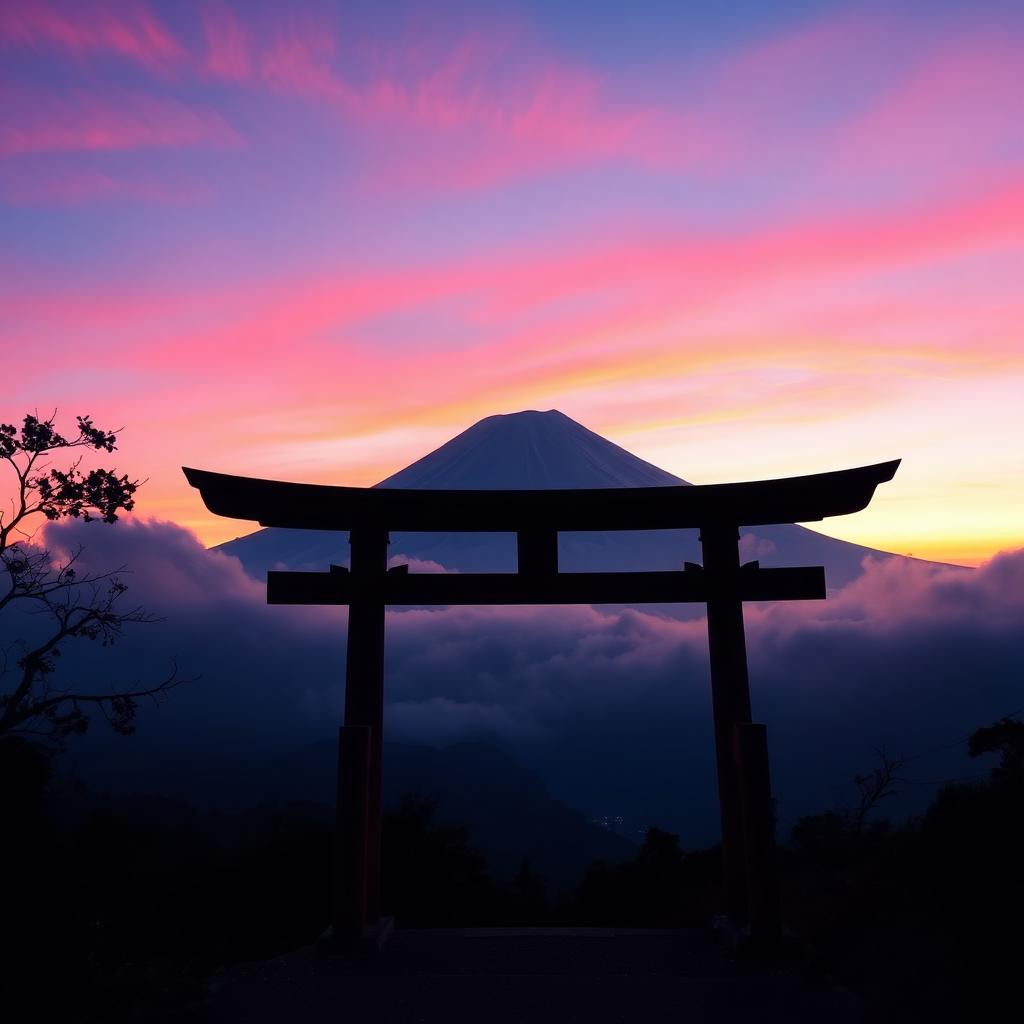
Silhouette of a torii gate in front of Mount Fuji at sunset

Culture

Mount Fuji myths and legends.

Fuji has been sacred for at least 1,400 years. Long before climbing became a hobby, monks, poets and emperors built shrines, wrote myths and pinned the soul of Japan to its perfect cone.

Stories

The big four

Princess Kaguya and the elixir

In the Tale of the Bamboo Cutter, Princess Kaguya returns to the moon and leaves the emperor an elixir of immortality. Heartbroken, he orders it burned on the highest peak in the land. The smoke is said to still rise from Fuji's summit, and the name Fuji is sometimes linked to 不死, meaning immortal.

Konohanasakuya-hime, goddess of the mountain

The Shinto deity of Mount Fuji is Konohanasakuya-hime, the blossom-princess. She is worshipped at Fujisan Hongu Sengen Taisha in Fujinomiya and at every Sengen shrine on the mountain. She is the kami of volcanoes and of cherry blossoms.

The overnight birth of Fuji

An old legend says Fuji rose from the earth in a single night in 286 BC, the same night that Lake Biwa sank in. The story is geologically impossible but captures how sudden and dominant Fuji felt to early settlers.

Fugaku Sanjurokkei

Hokusai's 36 Views of Mount Fuji is the most famous artistic engagement with the mountain. The series, including The Great Wave off Kanagawa, helped fix Fuji's silhouette as a global symbol of Japan in the 19th century.

Religion

A sacred mountain

Shinto

Fuji is the seat of Konohanasakuya-hime. Sengen shrines around the base have been the entry point for pilgrims since at least the 9th century.

Shugendo and Buddhism

Mountain ascetics treated Fuji as a path to enlightenment. The 1149 first recorded ascent was a Buddhist monk.

Fujiko

A folk faith that exploded in the Edo period. Pilgrim societies sent representatives up the mountain on behalf of their entire village.

FAQ

Common questions

Is Mount Fuji a god?

Mount Fuji itself is sacred and the home of Konohanasakuya-hime, the kami enshrined at Sengen shrines. The mountain is treated as a divine body, not a god in itself.

What does Mount Fuji symbolise in Japanese culture?

Eternity, purity, beauty and the soul of Japan. It has appeared in poetry from the Manyoshu (8th century) onwards and remains the most reproduced image in Japanese art.

Why is Mount Fuji a UNESCO World Heritage Site?

It was inscribed in 2013 as a cultural, not natural, site. The recognition is for its long history of religious pilgrimage and artistic inspiration.

Were women allowed to climb Mount Fuji?

Not until 1872. Before the Meiji era women were banned from sacred mountains. The first woman to summit was Lady Fanny Parkes in 1867, climbing in disguise.
Plan

Related