
Mild
Headache, mild nausea, breathlessness on stops, slight dizziness. Common above 3,000 m. Rest, hydrate, continue slowly.
Safety
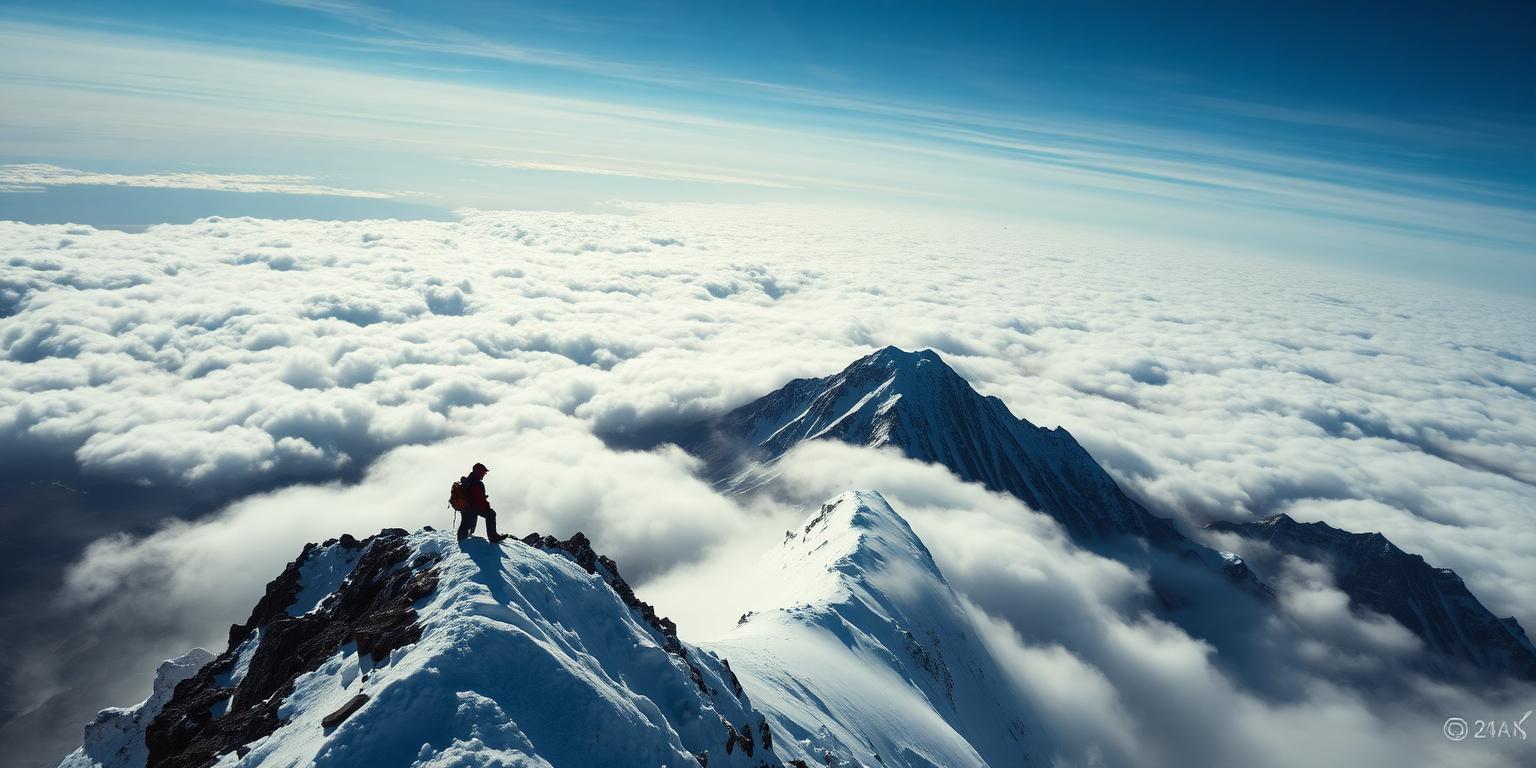
At 3,776 m the air holds about 65 percent of sea level oxygen. Most climbers feel it. A few have to turn back. Here is how to avoid being one of them.
Headache, mild nausea, breathlessness on stops, slight dizziness. Common above 3,000 m. Rest, hydrate, continue slowly.
Persistent headache that paracetamol can't touch, vomiting, lack of coordination. Stop climbing. Descend if it doesn't ease within an hour.
Confusion, stumbling, breathing trouble at rest, blue lips. Medical emergency. Descend immediately to the fifth station.
Arrive in the early afternoon and acclimatize for an hour or two before climbing. The biggest predictor of trouble is rushing up.
Maintain a pace you could talk in full sentences. If you can't, you're going too fast.
Sip every 15 minutes. Aim for 2-3 L of water across the climb. Dry mountain air dehydrates faster than you think.
Splitting the climb across two days with a hut stop at 3,000 m massively reduces symptom risk.
Climbing through one night without sleep is the highest-risk style. Avoid it unless you've climbed at altitude before.
Cheap insurance. A few breaths can ease a mild headache enough to keep moving.