
Aviation
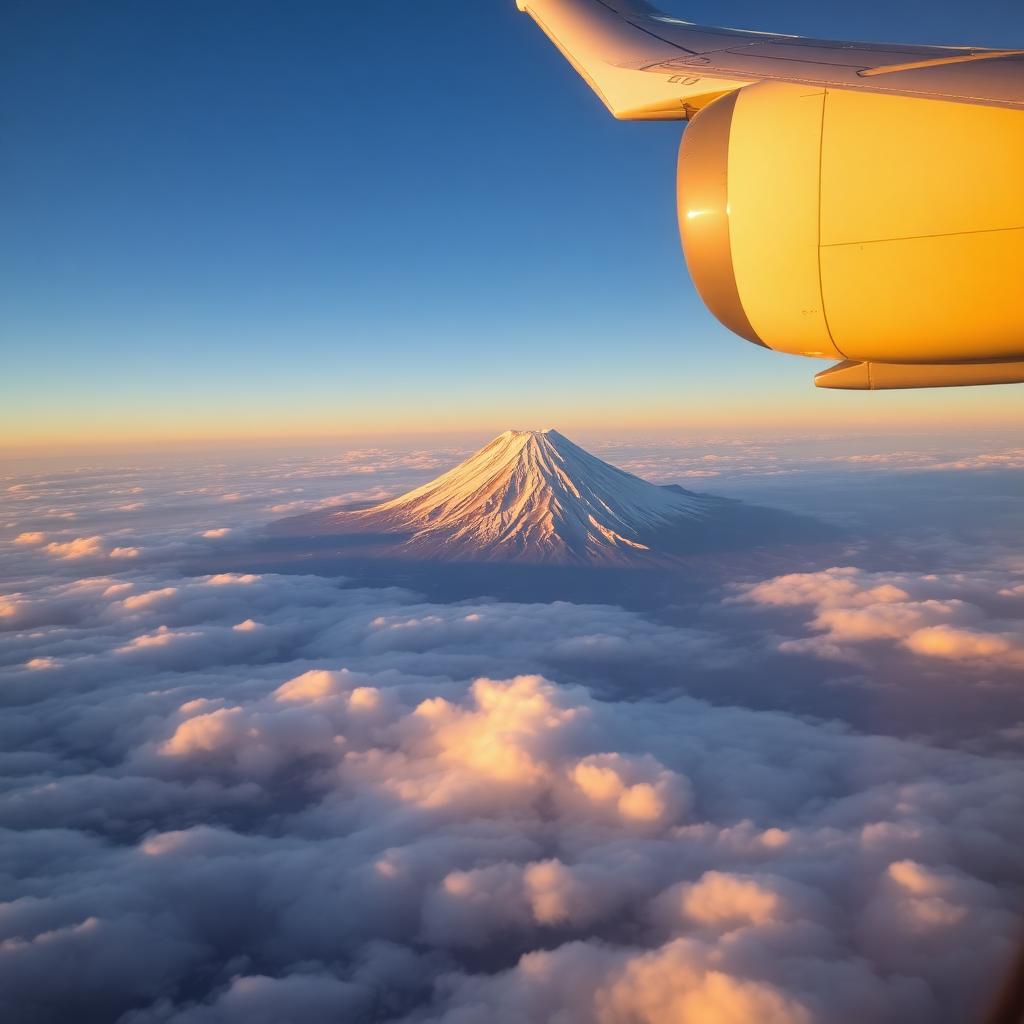
Mount Fuji from the plane.
The best window-seat moment in Japan. The general rule: flying east towards Tokyo, sit on the left. Flying west away from Tokyo, sit on the right. Cabin announcements often point Fuji out.
Seat guide
Which side of the plane
RouteSeat sideNote
Osaka (KIX/ITM) → Tokyo (HND/NRT)Left (A seats)Classic westbound to eastbound view, often passes south of Fuji.
Tokyo (HND/NRT) → OsakaRight (K seats)Mirror of the above. Fuji is on your right about 30-40 minutes after takeoff.
Tokyo → Fukuoka / OkinawaRightWestbound from Tokyo, Fuji passes on the right shortly after departure.
Honolulu / LA → Tokyo (HND)RightApproach from the Pacific often skirts Fuji to the south, right side seats.
Europe / Middle East → TokyoVariesPolar and Russian-rerouted paths land from the north, view is hit or miss.
Timing
When you will see it
Best months
December to February. Crisp air, low humidity, and the snow cap makes Fuji unmistakable from 30,000 ft.
Best time of day
Early morning and late afternoon. Low sun angles light the cone and cast a long shadow across the cloud deck.
Visibility odds
Roughly 60-70 percent on winter mornings, dropping to 20-30 percent in summer when haze and cumulus build up.
FAQ
Common questions
Which side of the plane should I sit for Mount Fuji?
Generally the left side flying eastbound towards Tokyo Haneda or Narita, and the right side flying westbound towards Osaka, Nagoya or Fukuoka. Routings vary, so check FlightAware closer to departure.
Can you see Mount Fuji from Tokyo flights?
Yes. Domestic flights between Tokyo and Osaka pass Fuji almost every clear day. International long-haul flights often route past it on approach to Haneda from the Pacific.
What seat number is best?
Window seats over the wing or just behind it (rows 20-35 on most narrowbodies) avoid the engine glare and keep the view clear.
Do pilots announce Mount Fuji?
JAL and ANA pilots often announce Fuji sightings, especially on domestic flights. International carriers are inconsistent.
Plan